
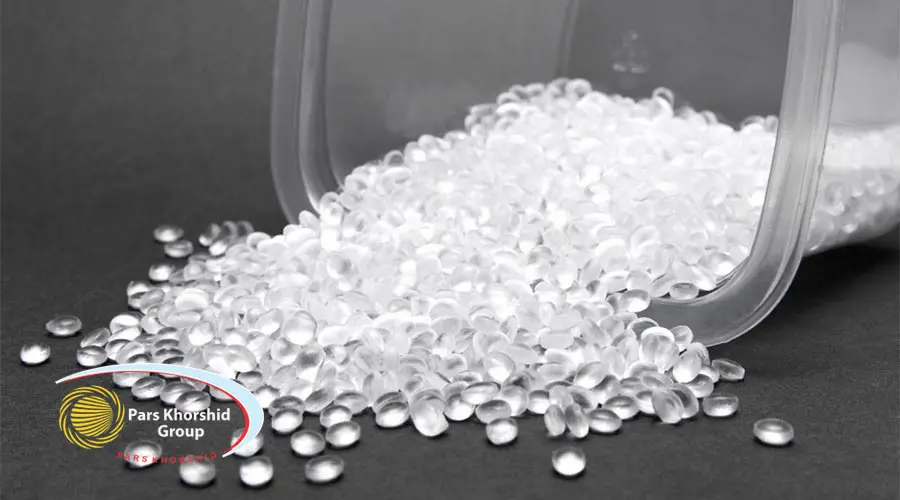
High-Density Polyethylene (HDPE) is one of the most widely used thermoplastic polymers in the world. Its exceptional strength, durability, chemical resistance, and cost-effectiveness make it a preferred material across multiple industries, including packaging, construction, automotive, agriculture, and healthcare.
Like all engineering materials, HDPE offers a unique combination of advantages and limitations. Understanding the pros and cons of HDPE is essential for manufacturers, engineers, and businesses seeking the right material for specific applications. This article provides a comprehensive and practical analysis of HDPE, covering its properties, benefits, drawbacks, and industrial relevance.
Overview
-
What is High-Density Polyethylene (HDPE)?
-
Advantages of HDPE
-
Disadvantages of HDPE
-
Industrial Applications of HDPE
-
How SHOBEIR SHIMI Supports HDPE Applications
-
Conclusion
What Is High-Density Polyethylene (HDPE)?
High-Density Polyethylene (HDPE) is a petroleum-based thermoplastic polymer belonging to the polyethylene family. It is characterized by a high strength-to-density ratio, meaning it offers exceptional mechanical strength while remaining lightweight.
The tightly packed molecular structure of HDPE results in increased rigidity, tensile strength, and resistance to impact and chemicals. These properties make HDPE suitable for demanding industrial applications, such as:
-
Water and gas pipes
-
Bottles and containers
-
Engineering components
-
Industrial tanks
-
Landfill liners
-
Packaging materials
HDPE is particularly valued in environments where durability, chemical resistance, and long service life are essential.
Advantages of High-Density Polyethylene (HDPE)
HDPE is considered one of the most beneficial polymer materials available today. Its versatility allows it to perform effectively across a wide range of industries and operating conditions.
1. Durability and Long Service Life
One of the most significant advantages of HDPE is its outstanding durability. The material is highly resistant to impact, abrasion, and mechanical stress. HDPE maintains its structural integrity even under continuous use and harsh environmental conditions.
Its resistance to acids, alcohols, oils, and many chemicals makes it ideal for industrial piping systems and fluid transportation. HDPE pipes are widely used in water distribution and sewage systems because they resist corrosion, scaling, and chemical degradation.
2. Excellent Environmental and Chemical Resistance
HDPE performs exceptionally well in environments exposed to moisture, chemicals, and corrosive substances. Unlike metals, HDPE does not rust, corrode, or degrade when exposed to saltwater, acids, or alkaline solutions.
This makes HDPE an excellent choice for:
-
Coastal and marine environments
-
Wetlands and underground installations
-
Chemical storage and transport
Its resistance to environmental stress reduces maintenance costs and extends product lifespan.
3. Lightweight and Cost-Effective
Despite its high strength, HDPE is lightweight, which significantly simplifies transportation, handling, and installation. This characteristic is especially valuable in large-scale construction and infrastructure projects.
From a financial perspective, HDPE is cost-effective both in production and long-term use. Its low manufacturing cost, combined with durability and minimal maintenance requirements, makes it an economical solution for industries ranging from agriculture to consumer goods manufacturing.
4. Recyclability and Sustainability
HDPE is one of the most recyclable plastics and is identified by recycling code #2. It can be recycled multiple times without significant loss of performance, making it a sustainable material choice.
Recycled HDPE is commonly used in:
-
Plastic bottles
-
Pipes
-
Containers
-
Household and industrial products
The recyclability of HDPE supports circular economy initiatives and reduces reliance on virgin raw materials, contributing to environmental sustainability.
5. Versatility Across Industries
HDPE’s adaptability allows it to be molded into various shapes and sizes using different manufacturing techniques, such as extrusion, injection molding, and blow molding.
Industries that commonly use HDPE include:
-
Food and beverage packaging
-
Medical and pharmaceutical products
-
Construction and infrastructure
-
Automotive components
-
Agricultural systems
This versatility makes HDPE a preferred material for both functional and industrial applications.
Disadvantages of High-Density Polyethylene (HDPE)
Despite its many advantages, HDPE also has limitations that must be considered when selecting materials for specific applications.
1. Sensitivity to UV Radiation
HDPE is vulnerable to prolonged exposure to ultraviolet (UV) radiation. Continuous sunlight exposure can cause the material to become brittle, lose strength, and degrade over time.
This issue is particularly relevant for outdoor applications. However, the problem can be mitigated by:
-
Adding UV stabilizers
-
Applying protective coatings
-
Using carbon black additives
These solutions significantly improve HDPE’s resistance to UV damage.
2. Limited High-Temperature Resistance
Although HDPE performs well across a wide temperature range, it has limitations at high temperatures. HDPE typically begins to soften around 120°C (248°F) and may deform or lose structural integrity beyond this point.
For applications requiring sustained exposure to higher temperatures, alternative materials such as PTFE or polycarbonate may be more suitable.
3. Increased Brittleness at Low Temperatures
At very low or freezing temperatures, HDPE can become stiff and brittle, reducing its impact resistance. This characteristic limits its use in extremely cold climates without modification.
For cold-environment applications, manufacturers may need to:
-
Use modified HDPE grades
-
Select alternative polymers designed for low-temperature performance
4. Limited Aesthetic Appeal
HDPE is primarily valued for its functionality rather than its appearance. It typically has a matte, opaque finish and lacks the transparency or glossy appearance of materials like acrylic or polycarbonate.
For products where visual appeal is a priority, HDPE may not be the ideal choice. However, for industrial and structural applications, performance outweighs aesthetic considerations.
5. Welding and Bonding Challenges
HDPE has low surface energy, making it difficult to bond using conventional adhesives. Specialized welding techniques, such as butt fusion or extrusion welding, are required.
Improper welding can result in weak joints or product failure. Therefore, skilled labor, precise temperature control, and appropriate equipment are essential when working with HDPE assemblies.
How SHOBEIR SHIMI Supports HDPE Applications
SHOBEIR SHIMI is a trusted supplier of high-quality polymers, chemicals, compounds, and masterbatches that meet international industry standards. With extensive experience in petrochemical product import and export, the company understands the critical importance of reliable HDPE materials for industrial performance.
As a leading HDPE exporter in Iran, SHOBEIR SHIMI provides materials that ensure:
-
Consistent quality
-
Reliable mechanical performance
-
Compatibility with diverse industrial applications
Through strong global supplier networks and deep market knowledge, SHOBEIR SHIMI delivers HDPE solutions tailored to customer-specific requirements in manufacturing, construction, packaging, and infrastructure projects.
Conclusion
High-Density Polyethylene (HDPE) is a versatile, durable, and cost-effective polymer widely used across numerous industries. Its strengths—such as chemical resistance, recyclability, and long service life—make it an excellent choice for many applications.
However, limitations related to UV exposure, temperature resistance, and bonding challenges must be carefully considered. By understanding both the advantages and disadvantages of HDPE, businesses can make informed material selection decisions that optimize performance, cost, and sustainability.
When sourced from reliable suppliers like SHOBEIR SHIMI, HDPE continues to be a dependable material that supports innovation and long-term industrial success.
 مزایا و معایب ثبت شرکت در کانادا
  ثبت شرکت دانشبنیان در ایران
 تور تایلند: ترکیبی جادویی از فرهنگ، طبیعت و هیجان
 راهنمای جامع ثبت برند و علامت تجاری