
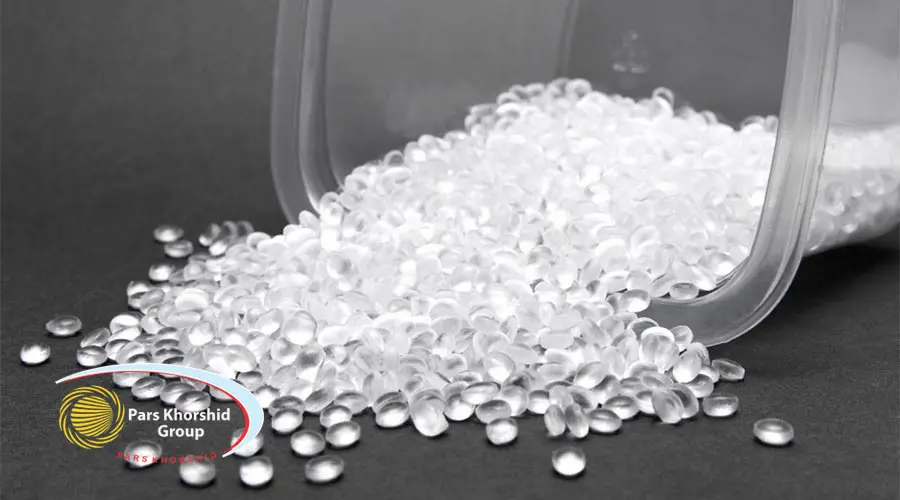
High-Density Polyethylene (HDPE) is one of the most widely used thermoplastic polymers in the world. Its exceptional strength, durability, chemical resistance, and cost-effectiveness make it a preferred material across multiple industries, including packaging, construction, automotive, agriculture, and healthcare.
Like all engineering materials, HDPE offers a unique combination of advantages and limitations. Understanding the pros and cons of HDPE is essential for manufacturers, engineers, and businesses seeking the right material for specific applications. This article provides a comprehensive and practical analysis of HDPE, covering its properties, benefits, drawbacks, and industrial relevance.
Overview
-
What is High-Density Polyethylene (HDPE)?
-
Advantages of HDPE
-
Disadvantages of HDPE
-
Industrial Applications of HDPE
-
How SHOBEIR SHIMI Supports HDPE Applications
-
Conclusion
What Is High-Density Polyethylene (HDPE)?
High-Density Polyethylene (HDPE) is a petroleum-based thermoplastic polymer belonging to the polyethylene family. It is characterized by a high strength-to-density ratio, meaning it offers exceptional mechanical strength while remaining lightweight.
The tightly packed molecular structure of HDPE results in increased rigidity, tensile strength, and resistance to impact and chemicals. These properties make HDPE suitable for demanding industrial applications, such as:
-
Water and gas pipes
-
Bottles and containers
-
Engineering components
-
Industrial tanks
-
Landfill liners
-
Packaging materials
HDPE is particularly valued in environments where durability, chemical resistance, and long service life are essential.
 مزایا و معایب ثبت شرکت در کانادا